
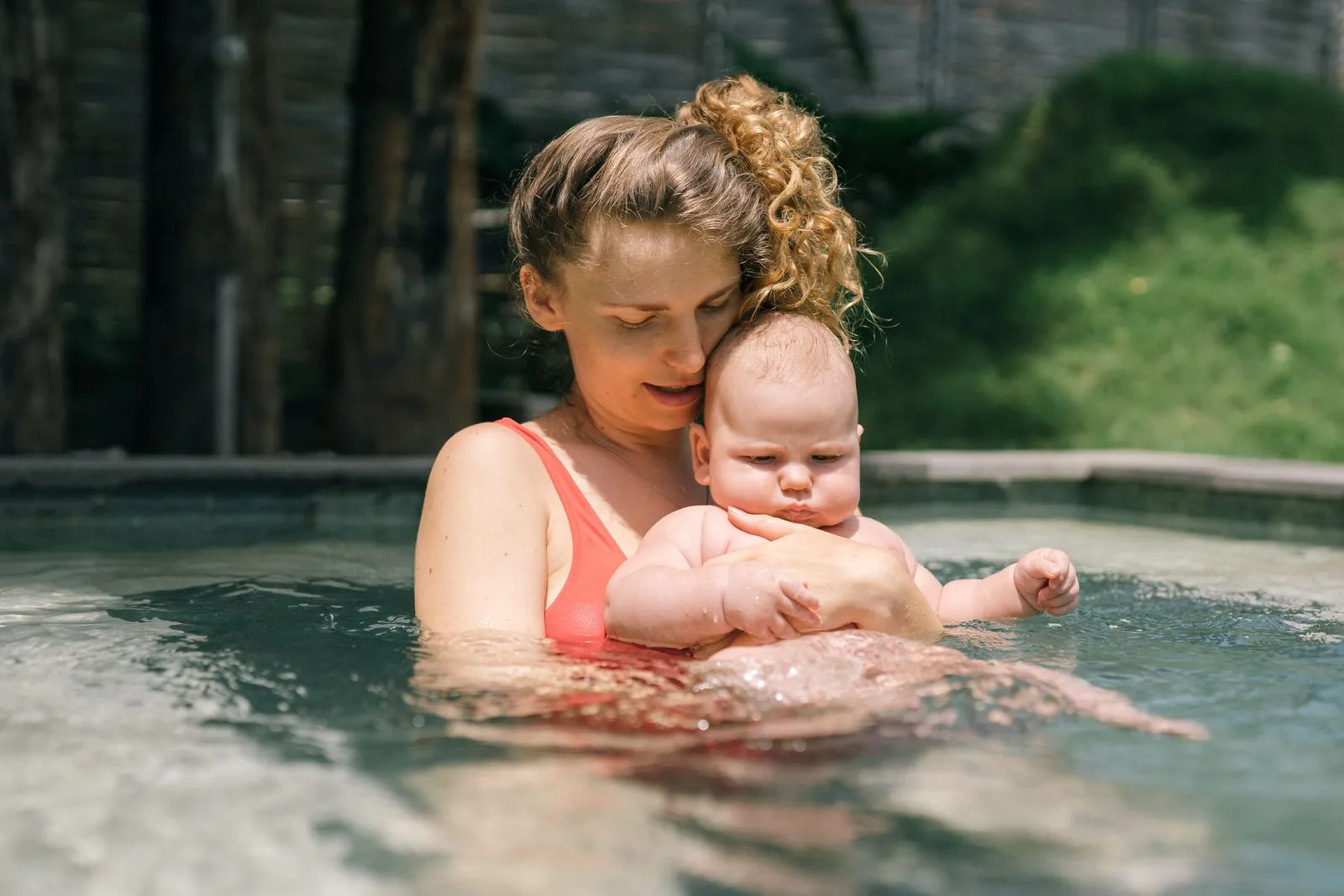
A child may need time to get used to water, new people, and the sounds of a swim lesson. That hesitation is common, and it does not mean your child is falling behind. Caregivers can help by keeping practice calm, making the routine predictable, and letting the child move at a manageable pace. These simple steps can build trust before lessons and make it easier for your child to take part without pressure.
Make Water Familiar at Home
Offer low-pressure water play during bath time. Let your child pour water between cups, splash gently, or wet a washcloth and squeeze it out. Keep water away from the face unless your child is ready. A few relaxed minutes can help a child explore at their own pace and learn that water can be familiar and enjoyable.
Talk through small steps before trying them. You might ask whether your child wants to touch the water with a hand or sit near the pool edge with you. Give a real choice, then respect the answer. Avoid surprising your child with splashes or dunking; predictable experiences help build trust.
Create a Predictable Lesson Routine
Explain what will happen in simple terms: you will arrive, change, meet the instructor, and get into the pool together or when the instructor says it is time. Keep the explanation honest and brief. If you are unsure about a lesson activity, ask the instructor rather than promising your child that nothing will feel uncomfortable.
Pack familiar swim gear and arrive with enough time to settle in. A rushed transition can add stress, especially for a child who is new to lessons. If possible, use the same pre-lesson steps each time, such as putting on a swimsuit, having a drink of water, and walking to the pool together.
Support Without Adding Pressure
Stay calm and use a steady voice if your child hesitates. Name what you notice without judgment: “You’re watching the water before you get in.” Then offer a manageable next step, such as sitting with feet near the water or holding your hand. Praise effort and communication, not just getting into the pool or completing an activity.
Let the instructor know what helps your child feel secure and what tends to worry them. Follow the instructor’s guidance while staying within the school’s supervision rules. Never leave a child unattended near water, even for a moment. Avoid comparing your child with other swimmers; children adjust at different speeds.
Notice Small Signs of Progress
Progress can look like entering the pool area calmly, touching the water, listening to the instructor, or trying one new activity. Point out a specific effort afterward: “You held the wall and kicked when you were ready.” This helps your child connect practice with their own choices and effort rather than feeling measured against a bigger milestone.
If your child becomes overwhelmed, pause and check in instead of insisting they continue. Ask the instructor how to make the next lesson more comfortable, and keep any extra water play gentle and supervised. A patient approach gives your child room to build comfort over time while keeping safety and trust at the center.
Help your child approach water in small, predictable steps, and treat hesitation as useful information rather than misbehavior. Calm support, clear routines, and close supervision can make lessons feel more manageable. For guidance tailored to your child, talk with their swim instructor before the next class.